
Custom Home Allowances Explained for East Texas Homeowners
Custom home allowances are one of the most important parts of a home building estimate, but they are also one of the most misunderstood. If you are planning to build a custom home in Longview, Tyler, Henderson, Kilgore, Hallsville, White Oak, or another East Texas community, allowances can affect your final price, your selection process, and your overall construction experience. Understanding how they work before you sign a contract can help you avoid budget surprises later.
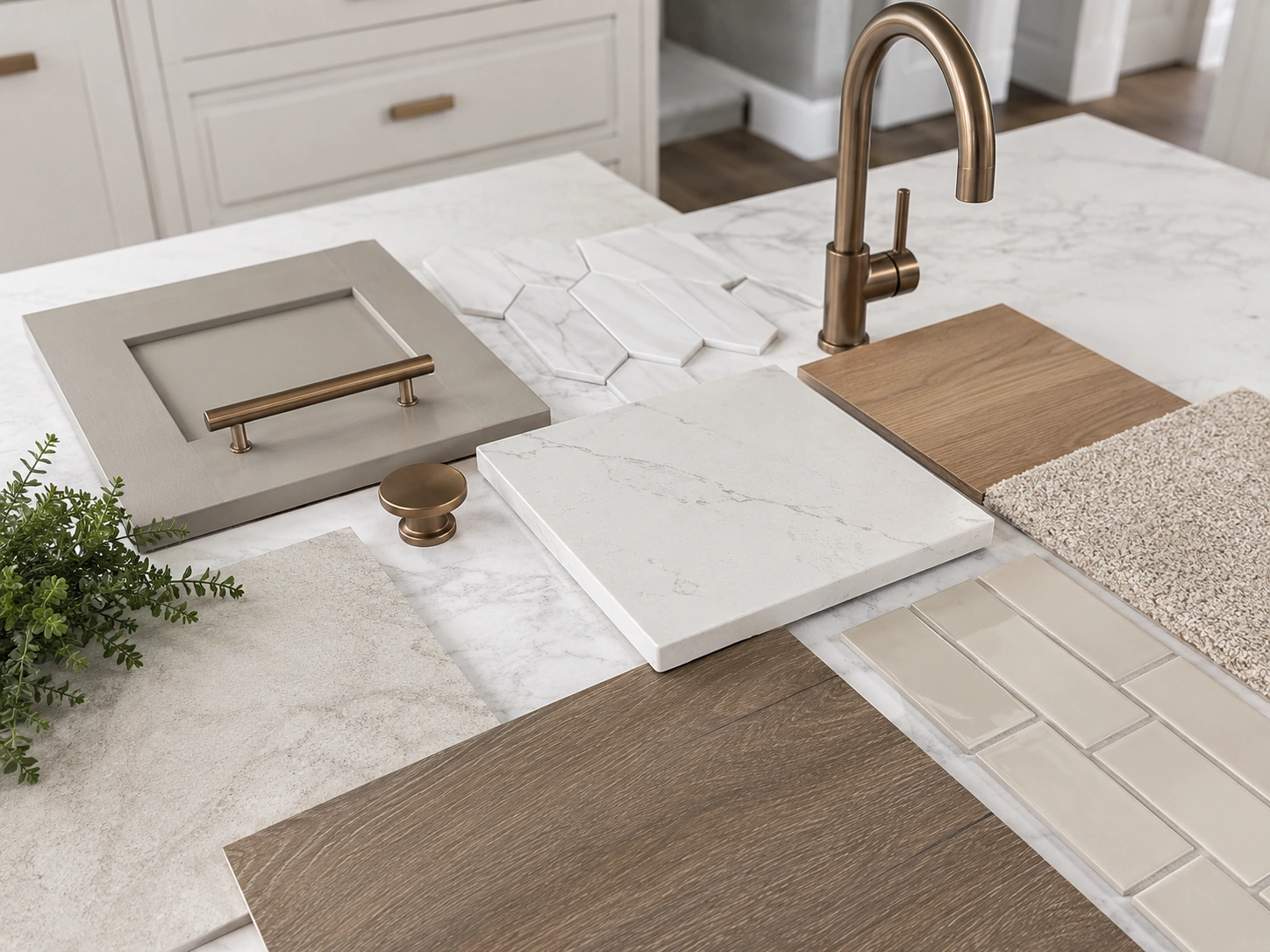
Custom home allowances are budget placeholders for items that have not been fully selected yet, such as cabinets, countertops, flooring, tile, lighting, plumbing fixtures, appliances, or hardware. They allow the estimate to move forward before every finish is chosen, but they must be realistic. If your final selections cost more than the allowance, your total project cost usually increases.
Why Allowances Matter in a Custom Home Build
A custom home gives you more control than a production home, but that control also means there are more decisions to make. You may not know the exact cabinet package, countertop material, flooring, lighting fixtures, plumbing fixtures, tile, hardware, appliances, or exterior finishes when the first estimate is prepared. Allowances help bridge that gap by assigning a budget amount to categories that still need final selection.
Allowances are not automatically a problem. In fact, they are common in custom home building because many selections happen as the design becomes more detailed. The issue is whether the allowance amount is realistic for the home you expect to build. A low allowance can make an estimate look better on paper while setting the homeowner up for cost increases later.
For East Texas homeowners, this matters because many custom homes involve a mix of personal design preferences, land-specific costs, and finish choices. Homes By Noble’s custom home build services are built around each homeowner’s vision, which makes selection clarity especially important before construction begins.
The National Association of Home Builders contract resources include selection allowance worksheets and change order forms, which shows how important allowances and documented changes are in the construction process. For homeowners, the takeaway is simple: allowances should be written, categorized, and easy to understand.
What Is a Custom Home Allowance?
A custom home allowance is a dollar amount assigned to a specific item or category before the exact product is chosen. For example, the estimate may include an allowance for flooring, cabinets, countertops, appliances, lighting, or plumbing fixtures. Once the homeowner makes final selections, the actual cost is compared to the allowance.
If your final selection costs less than the allowance, the contract may be adjusted downward depending on the terms. If your final selection costs more than the allowance, the contract may be adjusted upward. The important point is that an allowance is usually not the same as a fixed price. It is a placeholder that depends on future decisions.
This is why allowances need to be reviewed carefully. A cabinet allowance may sound fine until you visit a showroom and realize the cabinet style, wood species, door profile, finish, and storage features you want cost more than the placeholder amount. The same can happen with tile, flooring, appliances, lighting, and plumbing fixtures.
Simple definition: An allowance is a temporary budget number for a selection that has not been finalized yet.
Common Custom Home Allowance Categories
Cabinet Allowances
Cabinets are one of the most important allowance categories because the price range can be wide. A simple cabinet package will not cost the same as custom cabinets with upgraded finishes, soft-close hardware, specialty storage, tall uppers, appliance panels, built-ins, or a large kitchen island. If your kitchen is a major priority, the cabinet allowance should reflect that.
Cabinet costs can also affect other selections. The layout influences countertop square footage, appliance placement, electrical planning, backsplash area, and sometimes plumbing. If the allowance is too low, the cost difference can show up in several connected parts of the project.
What to ask: What cabinet style, finish level, storage features, and installation scope does this allowance assume?
Countertop Allowances
Countertops are another category where allowances can quickly change. Laminate, granite, quartz, quartzite, marble, butcher block, and other materials vary in cost. Edge profiles, slab selection, backsplash details, sink cutouts, waterfall edges, and island size can also affect the final number.
When reviewing a countertop allowance, ask whether it includes material, fabrication, installation, edge details, cutouts, and any special features. A vague countertop allowance may not fully reflect the actual kitchen or bathroom design.
What to ask: What countertop material and square footage are assumed in this allowance?
Flooring Allowances
Flooring affects a large part of the home, so even small price differences per square foot can change the total cost. Hardwood, engineered wood, luxury vinyl plank, tile, carpet, stained concrete, and other flooring options each come with different material and installation costs.
Installation details matter too. A standard layout may cost less than a complex pattern, border, or tile installation. Wet areas, stairs, transitions, and subfloor preparation can also affect the final price. A flooring allowance should be specific enough to match the type of home you want.
What to ask: What flooring material, square footage, installation method, and finish level are included?
Tile Allowances
Tile allowances often apply to bathrooms, showers, kitchen backsplashes, laundry rooms, fireplaces, and sometimes outdoor areas. Tile can vary widely in cost depending on material, size, pattern, layout, grout, trim pieces, waterproofing, and installation complexity.
A basic tile allowance may not be enough if you want full-height shower tile, decorative patterns, niche details, accent walls, specialty shapes, or premium materials. If tile is an important design feature in your home, the allowance should be reviewed early.
What to ask: Does this allowance include tile material only, or does it also include labor, waterproofing, grout, trim, and layout complexity?
Lighting Allowances
Lighting allowances can be easy to underestimate. A home may need recessed lights, pendants, chandeliers, vanity lights, exterior lighting, under-cabinet lighting, closet lighting, ceiling fans, and specialty fixtures. The number of fixtures and the quality level can significantly affect the final cost.
A lighting allowance should match the home’s size, ceiling heights, design style, and rooms. If your plan includes a large kitchen island, tall foyer, vaulted great room, outdoor living area, or statement fixtures, a basic lighting allowance may not be realistic.
What to ask: How many fixtures are assumed, and what quality level does the allowance support?
Plumbing Fixture Allowances
Plumbing fixtures include sinks, faucets, shower systems, tubs, toilets, pot fillers, utility sinks, and sometimes outdoor fixtures. Costs can vary depending on finish, brand, function, and whether the fixture requires additional installation planning.
A primary bathroom with a freestanding tub, dual shower heads, wall-mounted faucets, or upgraded fixtures will not price the same as a basic bathroom package. If the plumbing fixture allowance is too low, the difference may appear once you begin selecting actual products.
What to ask: What fixtures are included for each bathroom, kitchen, laundry area, and outdoor area?
Appliance Allowances
Appliances can create major budget differences. A basic appliance package may include a standard range, dishwasher, microwave, and refrigerator. A higher-end custom home may include built-in refrigeration, a professional range, double ovens, warming drawers, beverage refrigerators, outdoor kitchen appliances, or specialty ventilation.
Before accepting an appliance allowance, make sure it matches how you cook and live. Appliance selections can also affect cabinet design, electrical requirements, gas planning, ventilation, and countertop openings.
What to ask: Which appliances are included, and does the allowance reflect the models or performance level you want?
Hardware and Finish Allowances
Hardware may seem like a small category, but it can add up throughout a custom home. Cabinet pulls, door hardware, bath accessories, towel bars, mirrors, closet accessories, and specialty finishes may be included in separate allowances or grouped with other categories.
Finish consistency matters. If you want black, brass, bronze, nickel, chrome, or mixed-metal finishes throughout the home, make sure the allowance supports the finish level you expect. Some finishes cost more than others, and specialty hardware may require longer lead times.
What to ask: Are hardware, mirrors, bath accessories, and specialty finishes included or excluded?
How Allowances Affect the Final Cost
| Allowance Situation | What It Means | Possible Result |
|---|---|---|
| Allowance matches your finish level | The placeholder amount is realistic for the products you are likely to choose. | Fewer budget surprises during selections. |
| Allowance is too low | The estimate may look affordable, but actual selections may exceed the budget. | The project cost may increase after selections are made. |
| Allowance is too vague | It is unclear what product level, quantity, or labor is included. | Homeowner and builder expectations may not align. |
| Selection exceeds allowance | The product chosen costs more than the placeholder amount. | A price adjustment or change order may be needed. |
| Selection is under allowance | The product chosen costs less than the placeholder amount. | The contract may be adjusted depending on terms. |
Why Low Allowances Can Create Budget Surprises
Low allowances can make an estimate look more competitive than it really is. If one builder includes realistic allowances and another builder uses lower placeholders, the second estimate may appear cheaper even though the actual final cost may not be lower. This is why homeowners should compare allowance quality, not just total price.
For example, if two estimates include a flooring allowance, ask what material level each allowance supports. One may be based on basic carpet and entry-level flooring, while another may be based on engineered wood, tile, or higher-quality materials. The same applies to cabinets, countertops, lighting, appliances, and plumbing fixtures.
Budget surprises often happen when homeowners choose the products they actually want and discover that the allowance was never realistic. Noble’s article on how to prevent budget surprises in a home construction project is a useful supporting guide for understanding how clearer planning can reduce these issues.
How to Review Allowances Before Signing a Contract
Before signing a custom home contract, ask the builder to walk through every allowance category. Do not treat allowances as small details. They can represent some of the most personal and variable parts of the home. You should know which categories are allowances, how the amounts were chosen, what product quality they assume, and how overages or savings are handled.
Ask whether labor is included in each allowance. Some allowances may include material only, while others may include both material and installation. For tile, flooring, cabinets, countertops, and fixtures, that distinction matters. A material-only allowance may look generous until labor is added separately.
Also ask when selections need to be finalized. Late selections can affect the schedule, especially for cabinets, windows, specialty fixtures, appliances, flooring, and tile. A builder should help you understand selection deadlines before construction begins.
If you are still early in the planning stage, Noble’s design services can help connect finish decisions with the build plan so allowances are more realistic from the start.
Allowance Questions to Ask Your Builder
Clear questions can prevent confusion. Before you approve an estimate, ask your builder to explain allowances in plain language. You do not need to know every construction term, but you should understand how the numbers work.
- Which categories in this estimate are allowances?
- How did you calculate each allowance amount?
- What product quality level does each allowance assume?
- Does the allowance include labor, materials, delivery, and installation?
- What happens if my selection exceeds the allowance?
- What happens if my selection comes in under the allowance?
- When do I need to make final selections?
- How are allowance changes documented?
- Will allowance overages affect the project timeline?
- Can you show examples of products that fit within each allowance?
These questions pair well with Noble’s broader guide on questions to ask a custom home builder. The goal is not to challenge the builder. The goal is to make sure everyone is working from the same expectations before construction begins.
Allowances vs. Fixed Selections
Not every item in a custom home estimate needs to remain an allowance. If you choose specific products before signing the final contract, those selections can often be priced more directly. This may reduce uncertainty because the estimate is based on actual selections rather than placeholders.
For example, if you already know the cabinet package, countertop material, appliance models, flooring, tile, and fixtures you want, the builder may be able to replace several allowances with more specific pricing. This can make the budget clearer before construction starts.
However, fixed selections require earlier decisions. Some homeowners prefer flexibility and are comfortable with allowances. Others prefer to make more decisions upfront to reduce cost uncertainty. The right approach depends on your personality, timeline, design confidence, and budget comfort level.
Noble’s guide on selecting the right home building materials can help homeowners think through product choices before finalizing allowances.
How Allowances Connect to Change Orders
Allowance adjustments and change orders are closely related. If your final selection exceeds the allowance, the builder may document the difference through a price adjustment or change order. If you change the scope entirely, such as switching from standard tile to a more complex shower design, that may also require a change order.
The important thing is documentation. Homeowners should not rely on casual conversations or verbal approvals when selections affect cost. A written process protects both sides and helps prevent disputes. If a selection changes the price or timeline, it should be clearly documented before the work moves forward.
Change orders are not always negative. They can simply reflect a homeowner’s choice to upgrade or revise a detail. The issue is whether the homeowner understands the cost and schedule impact before approving the change.
Tips for Keeping Allowances Under Control
Start selections early. The earlier you choose cabinets, flooring, tile, countertops, fixtures, lighting, and appliances, the easier it is to compare those selections against the estimate. Waiting too long can create pressure, rush decisions, and lead to more expensive substitutions.
Visit showrooms with your allowance numbers in hand. If you walk into a showroom without knowing your budget range, it is easy to fall in love with products that do not match the estimate. Ask the builder or designer which products fit the allowance before making final decisions.
Prioritize the areas that matter most. If the kitchen, primary bathroom, outdoor living area, or flooring throughout the home matters most to you, tell the builder early. The allowance structure should reflect your priorities instead of spreading the budget in a way that does not match how you want to live.
Keep a selection record. Track the allowance amount, the selected product, the actual cost, and whether the choice is under or over budget. A simple organized selection sheet can make the process less stressful.
When to Contact a Builder About Allowances
The best time to discuss allowances is before the final estimate is approved. If you wait until construction is underway, many decisions may already affect schedule, ordering, and trade coordination. Early conversations give the builder more time to align your budget with your actual preferences.
If you are planning a custom home in Longview or anywhere in East Texas, Homes By Noble can help you understand how design, selections, materials, allowances, and construction scope work together. You can start by reviewing the company’s custom home build services or learning more about the cost to build a custom home in Longview.
Contact Homes By Noble to discuss your design goals, material preferences, budget expectations, and selection process before construction begins.
Frequently Asked Questions About Custom Home Allowances
What are custom home allowances?
Custom home allowances are budget placeholders for items that have not been fully selected yet. They are commonly used for cabinets, countertops, flooring, tile, lighting, plumbing fixtures, appliances, hardware, and other finish materials. Once final selections are made, the actual cost is compared with the allowance.
Are allowances included in the total estimate?
Yes, allowances are usually included in the estimated contract amount, but they are not always fixed final prices. If your selections cost more than the allowance, your total cost may increase. If they cost less, the contract may be adjusted depending on the terms.
Why do builders use allowances?
Builders use allowances because many homeowners have not finalized every finish selection when the estimate or contract is prepared. Allowances let the project move forward while leaving room for later decisions. They should still be realistic and clearly documented.
Which selections usually have allowances?
Common allowance categories include cabinets, countertops, flooring, tile, lighting, plumbing fixtures, appliances, mirrors, hardware, bath accessories, and sometimes exterior finishes. The exact categories depend on the builder and the project scope.
What happens if I go over an allowance?
If your final selection costs more than the allowance, the difference is typically added to the project cost through an allowance adjustment or change order. Your builder should explain the approval process before construction begins.
Can I avoid allowances completely?
In some cases, you can reduce allowances by making final selections before the contract is completed. However, not every detail may be ready early. The goal is not always to eliminate allowances, but to make sure they are realistic and clearly explained.
How do I know if an allowance is too low?
An allowance may be too low if the products you actually want are consistently above the placeholder amount. Ask the builder to show examples of materials, fixtures, or appliances that fit within the allowance so you can judge whether the number matches your expectations.
Do allowances affect the construction timeline?
Yes, allowances can affect the timeline if selections are made late or if chosen products have long lead times. Cabinets, specialty tile, appliances, lighting, and plumbing fixtures should be selected early enough to avoid delaying the construction sequence.